AI Impact Summit: India's Global Vision
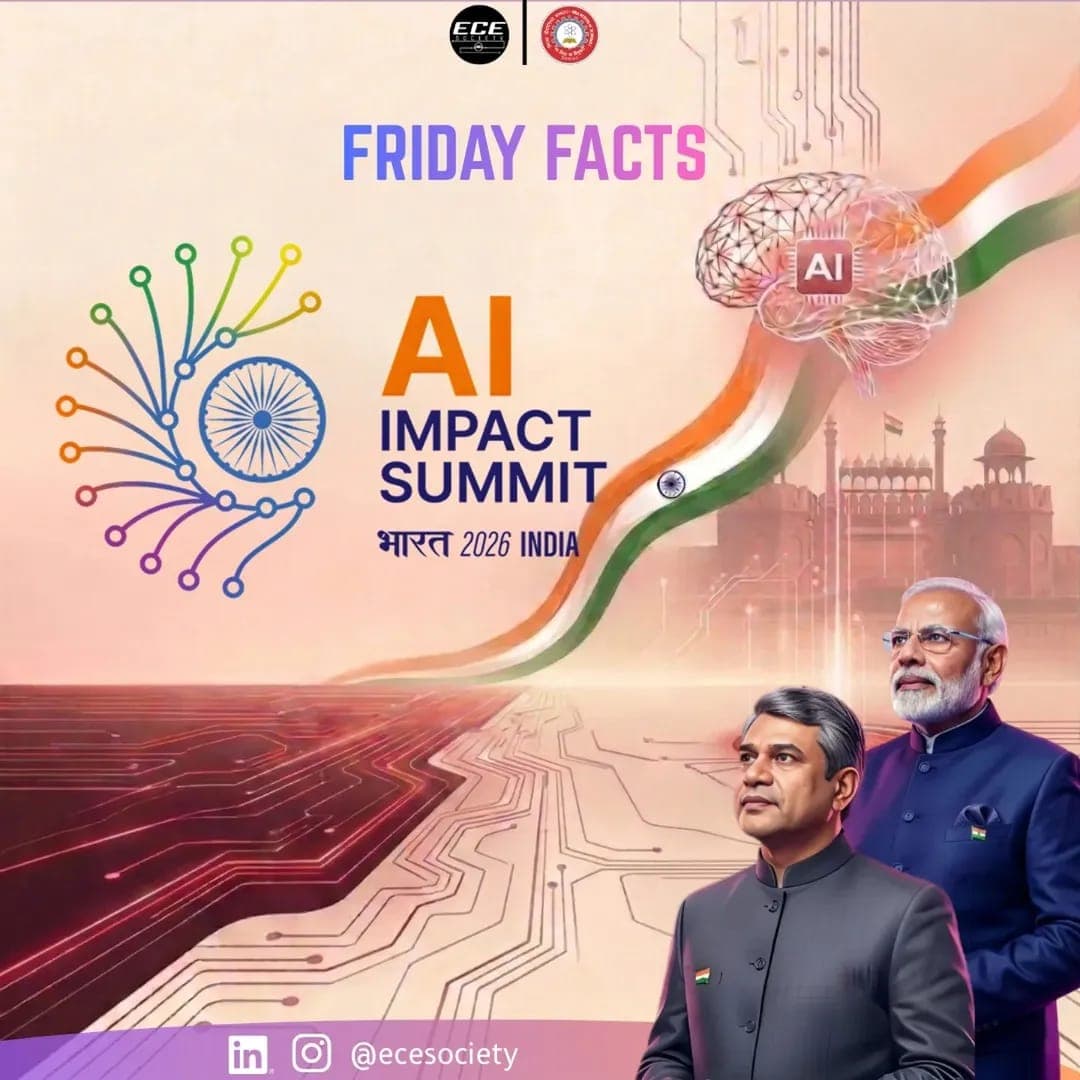
India AI Summit 2026: Shaping the Future of AI
1. What is the India AI summit?
The India AI Impact Summit 2026 was a high-level international event marking a historic shift in technology diplomacy by being the first global AI summit hosted in the Global South. This summit pivoted toward AI for Development. The goal was to demonstrate how AI can solve real-world problems like healthcare access, agricultural productivity, and language barriers. It was held in New Delhi, India, from 16 – 20 February 2026 at Bharat Mandapam.
2. Global Participation and Importance
The summit was one of the largest technology gatherings in history, marked by a unique blend of high-level diplomacy and massive public engagement.
- Political Reach: Attended by delegations from over 100 countries and 20 international organizations. Notable attendees included over 20 Heads of State and 60 Ministers.
- The New Delhi Declaration: This landmark non-binding framework was endorsed by 91 signatories, including the US, China, the UK, and the EU. This was a significant diplomatic feat, as some of these powers had previously declined to sign similar declarations in Paris (2025).
- Industry Heavyweights: Over 500 global AI leaders and CEOs (including leaders from OpenAI, Microsoft, and Google) participated.
- Public Scale: Approximately 600,000 in-person attendees and 900,000 virtual viewers, reflecting India's ability to democratize a technical subject for the masses.
The Core "Bridge" Strategy
The India AI Impact Summit 2026 was a historic pivot from Western-led "AI safety" to AI for global development.
- Democratic Diffusion: India introduced a Charter to treat AI compute and data as Digital Public Infrastructure (DPI)—shared resources rather than corporate monopolies.
- Sovereign AI: Focused on building indigenous models (like BharatGen) to protect national data and support local languages.
- Pax Silica: India joined this US-led coalition to become a trusted global hub for semiconductor supply chains.
3. Vision and Objectives
The "M.A.N.A.V." Framework
Prime Minister Modi introduced a specific five-point vision for AI governance, known as MANAV:
- M — Moral & Ethical: AI must be guided by human values.
- A — Accountable: Transparent rules and robust oversight (no "Black Box" algorithms).
- N — National Sovereignty: Data belongs to those who generate it.
- A — Accessible: AI should be a multiplier for the many, not a monopoly for the few.
- V — Valid & Legitimate: Systems must be lawful, verifiable, and trustworthy.
Key Objectives (The Seven Chakras)
The summit operationalized its vision through seven thematic working groups:
- 2Democratizing AI Resources: Expanding affordable access to compute power (GPUs) and datasets.
- 4Economic Growth & Social Good: Identifying pathways to scale AI solutions that boost productivity.
- 6Safe & Trusted AI: Establishing ethical governance frameworks and bias mitigation.
- 8Inclusion for Social Empowerment: Designing AI that accommodates diverse languages and identities.
- 10Human Capital: Building a global ecosystem for massive skilling and reskilling.
- 12AI for Science: Connecting global scientific communities to accelerate research in medicine and climate change.
- 14Resilience & Efficiency: Developing energy-efficient AI infrastructure.
4. Key Themes of the Summit
The Core Vision: "AI for All" Inspired by the Indian philosophy "Sarvajana Hitaya, Sarvajana Sukhaya" (Welfare for all, Happiness for all), the summit aimed to reduce the digital gap between the Global North and Global South.
The Three Sutras (Pillars):
- People: Human-centric AI that protects dignity, respects diversity, and improves health and education.
- Planet: Climate-smart AI promoting sustainability and supporting India's 2070 Net Zero goals.
- Progress: Inclusive economic growth through AI in agriculture, governance, and public services.
5. Challenges and Criticisms
- Overcrowding & Logistics: The summit witnessed massive participation, leading to crowd management issues and travel congestion.
- Policy vs Technical Depth Debate: Some experts argued that discussions leaned more toward policy frameworks and diplomatic messaging rather than deep technical exploration.
- Political Protests: There were limited political protests reflecting broader geopolitical and trade tensions, though they did not significantly disrupt proceedings.
6. Impact on India and the World
- India's Leadership in AI Policy: The summit positioned India as a global AI policy leader, particularly for emerging economies.
- Opportunities for Youth & Startups: Created new pathways for youth engagement, startup acceleration, and talent development.
- Future Global AI Collaborations: Outcomes set the stage for continued global AI cooperation, with frameworks for ethical governance shaping the decade ahead.